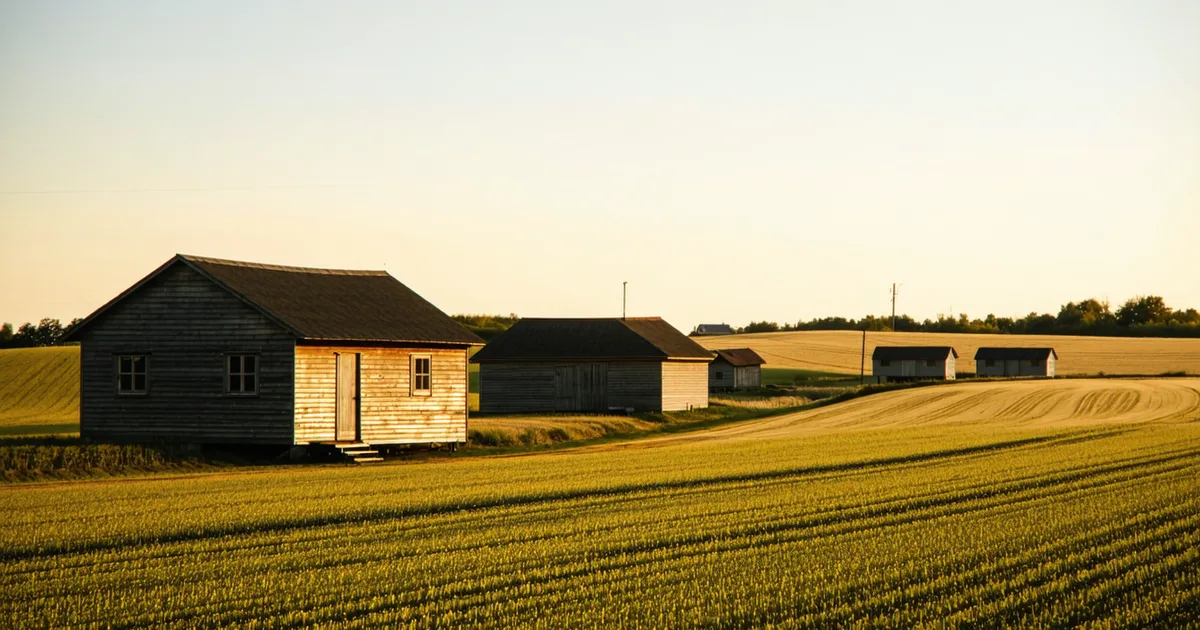
Of all the obligations that come with H-2A, housing is the one that surprises growers the most. The program requires employers to provide free housing to all workers who are not reasonably able to commute daily to the work site — which in practice means virtually every H-2A worker, given where agricultural operations are typically located. That housing must meet federal standards, be available on the worker's first day, and in many states be subject to pre-season inspection before the season opens.
The housing requirement is heavily scrutinized during both the application review and any subsequent DOL investigation. It's also one of the most operationally complex obligations because it involves physical facilities, third-party inspection timelines, and ongoing maintenance through the season — all of which are harder to manage through paperwork alone than wage or documentation requirements.
What "Providing Housing" Actually Means
The H-2A program gives employers two main options: provide on-site housing that you own or control (employer-provided housing), or pay workers a reasonable housing allowance if on-site housing isn't available and the local rental market can support it. The rental-subsidy option requires DOL approval and depends on whether comparable housing is genuinely available in the local area — it's not a blanket alternative employers can choose for convenience.
For most farms, this means on-site or nearby housing that the employer controls — bunkhouses, cabins, modular units, or dedicated housing facilities. The employer is responsible for ensuring that housing meets applicable standards before workers arrive. Workers cannot be placed in substandard housing while the farm sorts out repairs. The housing must be ready.
Importantly, the employer cannot charge workers for this housing. Deducting rent from H-2A worker wages — even a nominal amount — is a program violation. Nor can the employer charge for utilities, cleaning, or other housing-related costs unless those costs are specifically approved and disclosed in the job order.
Federal Housing Standards: What Inspectors Check
H-2A housing must comply with the federal standards in 20 CFR Part 654, Subpart E, or applicable state standards if those are more stringent. These cover a broad range of facility conditions. The most common inspection checkpoints include:
- Square footage per occupant. The minimum floor space requirements per person depend on whether sleeping and living areas are separate, and on the type of structure. Overcrowding — often driven by pressure to accommodate more workers than the facility was designed for — is a recurring violation.
- Sanitation and toilet facilities. The ratio of toilets and wash facilities to occupants must meet prescribed minimums. Portable facilities may be acceptable in some circumstances but must meet equivalent standards.
- Potable water access. Clean drinking water must be available at the housing site. Agricultural housing in remote areas sometimes has water quality issues that pass under the radar until an inspector tests.
- Kitchen and food storage. If the employer provides cooking facilities, they must meet basic sanitation standards. Refrigeration, food storage, and cooking surface conditions are all inspection points.
- Heating, ventilation, and sleeping conditions. Housing must be capable of maintaining an adequate temperature range. Ventilation matters both for comfort and for carbon monoxide safety in housing with fuel-burning appliances.
- Fire safety. Smoke detectors, fire extinguishers, and adequate emergency egress are required. Missing or non-functional smoke detectors are among the most common housing deficiencies cited.
The Pre-Season Inspection Problem
Many states require that employer-provided H-2A housing be inspected and certified before the season opens. The inspection is conducted by the State Workforce Agency or an approved state agency. If the housing fails inspection — even for minor, easily-remedied deficiencies — the certification is delayed until re-inspection, which can push back the entire H-2A timeline.
Consider this kind of scenario: a stone-fruit operation in Fresno County applied for housing inspection in late January for a March 15 worker arrival. The inspector cited three issues: two smoke detectors needed batteries replaced, a bathroom exhaust fan was inoperative, and a section of the kitchen floor had water damage affecting structural integrity. The first two issues were resolved within a day. The flooring repair took three weeks due to contractor scheduling. Re-inspection was scheduled two weeks after that. Workers arrived April 8 — nearly a month behind the original plan.
We're not saying pre-season inspection requirements are unreasonable — worker housing conditions in agricultural settings have historically been poor enough that inspection regimes serve a genuine protective function. The point is that growers need to treat the inspection timeline as a hard operational constraint, schedule it as early as the program allows, and conduct their own internal walkthrough against the federal checklist well before the inspector arrives.
A farm that completes an informal self-inspection in November for a March season and catches deficiencies early has months to make repairs at a reasonable pace. A farm that walks through housing in late February for a March arrival is managing construction or maintenance on an emergency timeline — always more expensive and less certain.
Housing in the Application: What DOL Needs to See
When you file the H-2A application (ETA-9142A), you must provide the address of the housing that will be provided to workers. A placeholder or "TBD" is not acceptable. DOL reviews the housing attestation as part of the application process, and an incomplete housing declaration is a basis for denial or a Request for Information that delays processing.
If you're using employer-provided housing, you attest that it meets federal standards. If you're applying for a housing allowance under the rental-subsidy option, you need documentation that comparable housing is genuinely unavailable in the area. Either way, the housing decision needs to be finalized before the application is filed — which is part of why the internal preparation window before the 45-day filing deadline matters so much.
Housing address also becomes part of the public job order, which is where domestic workers and unions can see it. Any discrepancy between the address in the application and the address where workers actually end up living needs to be reported to DOL promptly.
Ongoing Housing Obligations Through the Season
The housing obligation doesn't end once workers arrive. Employers are responsible for maintaining habitable conditions throughout the period of employment. If a plumbing system fails mid-season, it needs to be repaired promptly. If pest activity develops, it needs to be addressed. The housing standard that applied at inspection applies throughout the season.
Worker complaints about housing conditions are a meaningful audit trigger. If workers raise a grievance about the living situation — to a labor contractor, to DOL, or to a worker advocacy organization — that complaint can initiate an investigation that spans housing, wages, and working conditions simultaneously. The housing complaint becomes the entry point for a broader review.
Maintaining housing through the season isn't just about compliance — it's also practical farm management. Workers who are well-rested, in safe conditions, with functioning facilities, perform better and have better retention within the season. The growers who take housing most seriously tend to see it as part of workforce management, not just a regulatory checkbox.